
|


Synthetic Fuels refer to the liquid or gaseous fuel obtained by converting from coal, natural gas, biomass and other energetic raw materials through chemical methods. It can be divided into Liquid synthetic fuels (such as synthetic diesel, methanol, etc.) and Gaseous synthetic fuels (such as synthetic natural gas/SNG, synthetic ammonia, and synthetic hydrogen). The raw materials for synthetic fuels include fossil fuels such as coal, natural gas, oil sands, and oil shale, as well as renewable resources such as biomass, sewage, and CO₂ capture gas.
The main methods for producing liquid synthetic fuels include:
● Fischer Tropsch (FT): Catalytic synthesis of hydrocarbon liquid fuels using synthesis gas (CO+H₂). Such as synthetic diesel or gasoline produced by synthetic fuel technologies such as Coal-to-liquids (CTL), Biomass-to-liquids (BTL), and Gas-to-liquids (GTL).
● Electrolytic synthesis method: Combining green hydrogen with captured CO₂ to produce liquid fuel. For example, using Power-to-Liquid (PTL) synthetic fuel technology to generate liquid fuel.
The Liquid synthetic fuels suitable for power plants include Synthetic diesel, Methanol fuel, etc.
1. Synthetic Diesel, refers to a liquid fuel synthesized by thermochemical conversion of coal/biomass/natural gas into syngas and then using the Fischer-Tropsch process. The chemical properties of the final product may differ from conventional fuels such as gasoline or diesel fuel, but it can also be used in diesel engines. Among them, BTL Diesel is also known as Biomass fuel oil, with international standards of EN 16709 and EN 15940.
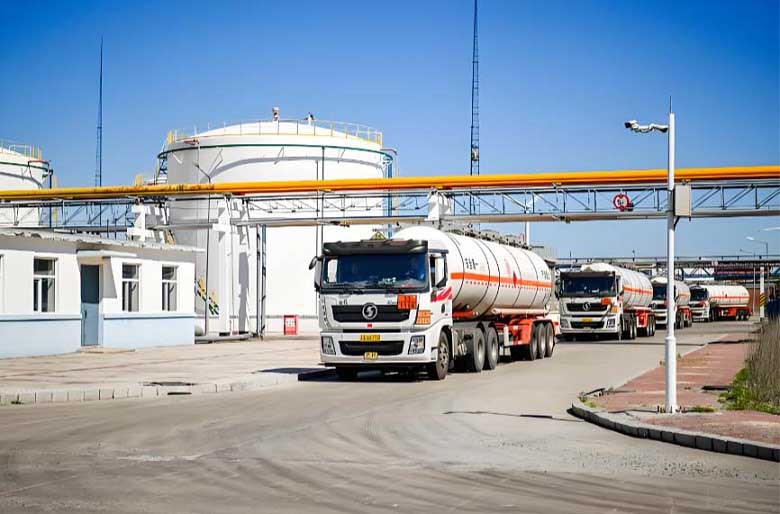
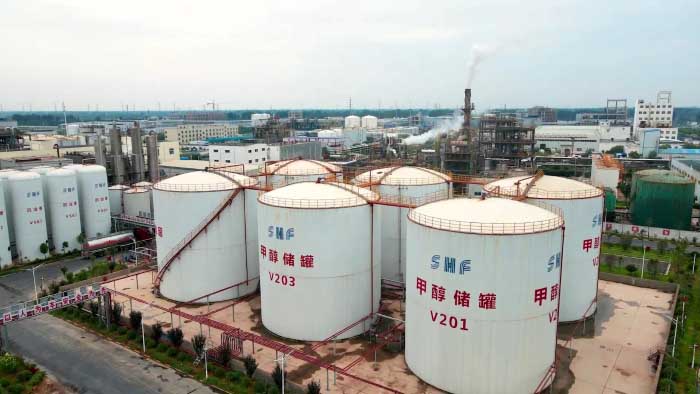
2. Methanol, is a clear, colourless, water soluble liquid which boils at 65°C. It is also known as methyl alcohol and is often abbreviated MeOH. Methanol is flammable and can form explosive mixtures with air. It burns with a non-luminous flame and is highly toxic. It is an ideal fuel for ship and power generation.
It is most commonly produced from natural gas but can also be made from bio-feed stocks and gasification of coal. It is commonly used as a solvent, antifreeze, fuel, or ethanol modifier, and can also be used to produce biodiesel through ester exchange reactions.
Due to the shortage of petroleum resources, rich coal resources and the enhancement of people's awareness of environmental protection. Methanol, as clean fuel converted from coal, has been paid more and more attention and can be produced cheaply and in large quantities. At present, it is gradually applied in the field of ship, automobile and power generation.
If the green methanol that is synthesized from hydrogen and carbon dioxide, then we can actually achieve CO2-neutral combustion. Furthermore, methanol has some advantages concerning its emissions behavior: There are fewer NOx emissions and no SOx or soot emissions for pure methanol combustion. So there’s great potential for methanol to play a key role in the maritime energy transition.
Other advantages lie in the properties of methanol: It is liquid in ambient conditions. The handling onboard a vessel is therefore much easier compared to gaseous fuels. Furthermore, methanol is less hazardous for aquatic organisms compared to well-known marine fuels like marine gas oil or heavy fuel oil. This permits the use of the outer ship hull as bunker tanks. Hence, the fuel storage capacity onboard increases.
Contaminants such as metal shavings, welding debris, insulation, sand, wood, cloth and oil must be removed from the methanol. It is important to note that the quality and impurity degree can vary among the suppliers due to production and handling differences and the type of bunkering/transfer process (for example: terminal tank to plant side, truck to plant side).
Currently, the latest international standard for the quality of marine methanol fuel is ISO 6583:2024, while T/CIQA 70–2023 provides specific and operable technical specifications for the Chinese market. Together, they ensure the safe and standardized application of methanol as marine fuel.
For details on the requirements for methanol quality, please click here: Methanol Fuel Specification .

Copyright © 2025 Soar Power Group
 Mobile QR code